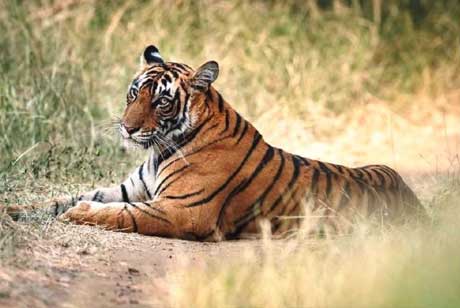
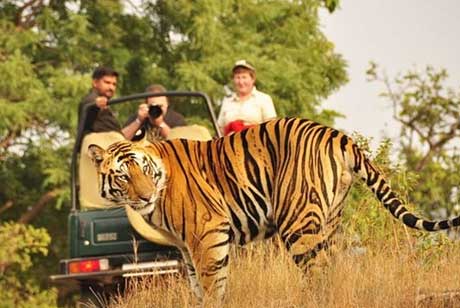
Ranthambore National Park is located in the Sawai Madhopur district of Rajasthan, 175 km from Jaipur and 372 km from Delhi. Ranthambore, being nestled at a convenient location from these two major cities attracts heavy footfall throughout the year. This national park is highly renowned due to the dense population of several fauna species, the Royal Bengal Tigers being the prime attraction. Tigers are frequently spotted in Ranthambore and that brings a lot of wildlife enthusiasts here to embark on multiple rounds of safari.
A Comprehensive Analysis of the Best Time to Visit Ranthambore
To make the most of the jeep or the canter safari experience in Ranthambore National Park, it is crucial to know the best time to visit the place.
| Season | Months | Tourist Season | Accessible Zones |
|---|---|---|---|
| Winter | November - February | Peak Season | 1-10 |
| Summer | March - June | Shoulder Season | 1-10 |
| Monsoon | July - September | Off Season | 6-10 |
Ranthambore in Winter - The Best Time to Visit (November to February)
The winter season, spanning from October to March, is the most favoured time for visitors to explore Ranthambore Park. The cool weather adds excitement to the Ranthambore safari, and the forest, revitalized by the recent rains, is vibrant with greenery, creating a pleasing and enchanting atmosphere. During this period, flowers are in full bloom, adding a radiant beauty to the areas around the lakes and other water bodies. Additionally, the park becomes a haven for many migratory birds, offering a delightful experience for bird enthusiasts. If you plan to visit between late December and early January, it is advisable to carry proper winter clothing to stay warm in the forest's wilderness.
Ranthambore in Summer - March to June
The summer season, from March to June, is generally less favored by visitors due to the intense heat. As Ranthambore Park is located near the Thar Desert, daytime temperatures can soar, often reaching up to 48°C. While the scorching sun makes it challenging for most people to explore the forest during this period, those who can endure the heat might consider visiting for two key reasons: first, the park is less crowded during the summer, and second, there is a greater likelihood of spotting the majestic tiger, particularly near the park's water bodies. However, it is essential to be well-prepared by bringing sunscreen, scarves, and lightweight, long-sleeved cotton clothing to protect yourself from the harsh sun. The early morning safaris that usually function from 7:00 am - 10:30 am are comparatively less challenging than the late afternoon safaris, 2:00 pm - 5:30 pm.
Ranthambore in Monsoon - July to September
Monsoons are considered to be the off-season in Ranthambore National Park due to the closure of the core zones from 1 to 5. However, the buffer zones from 6 to 10 remain operational between July and September, and as a result, tourist inflow in the national park is not paused. Although the crowd is comparatively light, the chances of wildlife sightings are also very low. Most parts of Ranthambore are filled with water and in case of heavy rainfall, safaris in the buffer zones are also halted.
| Month | Avg. Minimum (°C | Avg. Maximum (°C) |
|---|---|---|
| January | 10 | 22 |
| February | 13 | 27 |
| March | 18 | 32 |
| April | 25 | 40 |
| May | 28 | 41 |
| June | 28 | 29 |
| July | 27 | 33 |
| August | 25 | 31 |
| September | 25 | 34 |
| October | 22 | 34 |
| November | 15 | 30 |
| December | 22 | 27 |